
Student Projects @ The CDH
The CDH assists classes and individual students in using DH tools to advance their research. Browse undergraduate and graduate Digital Humanities projects below.
2025-2026 Class Projects
Undergraduate Student Projects
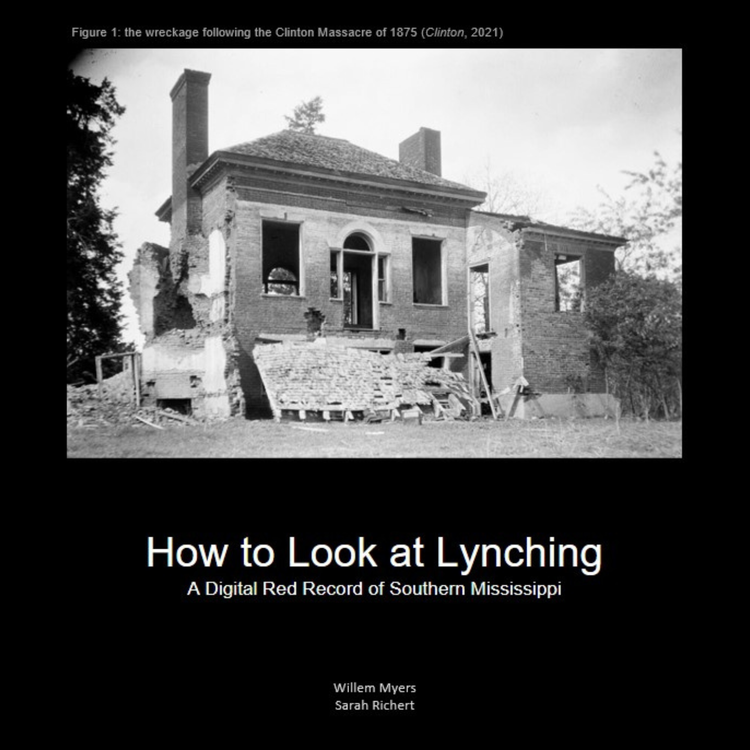
HON 303 – The Red Record: Lynching, Literature & Black Flesh in the Press
Taught by Drs. Sherita L. Johnson & Cheryl D. Jenkins
This course examined narratives of racial terrorism in African American literature and journalism from around 1880 to 1920. Students focused on writings that address the problem of “race”—how ideologies of white supremacy threatened Black citizenship—and the rampant racial violence that targeted African Americans especially in the Deep South as meticulously covered in the pages of Black publications (as compared to coverage in white publications). For the final project, groups of students created “The Digital Red Record” from archival investigations of lynchings in Mississippi based on their studies during the semester.



Graduate Student Projects
Humanities 402/502 – The Immersive Global Middle Ages Project
Principal Investigator: Dr. Courtney Luckhardt
Contributors: David Greenspan, Brooke Harries, Paige Mason, Rachael Packer, Haley Perrien
Envisioning early medieval cultures and places in the digital age.
Brian Valimont
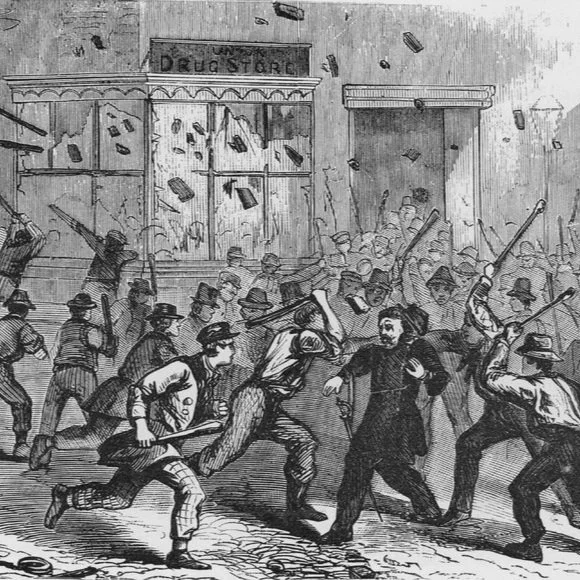
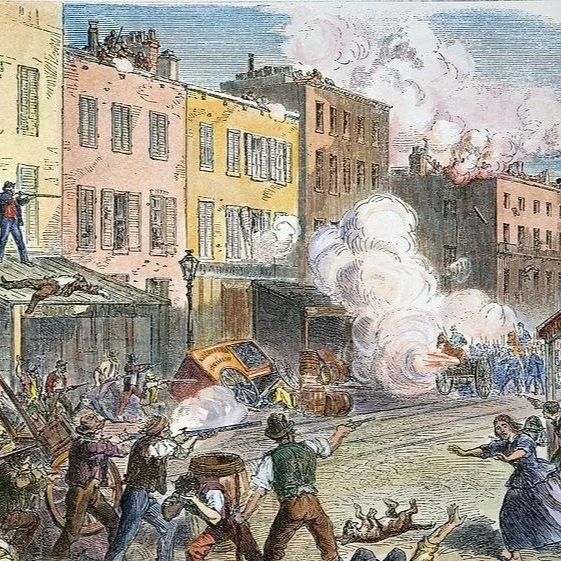
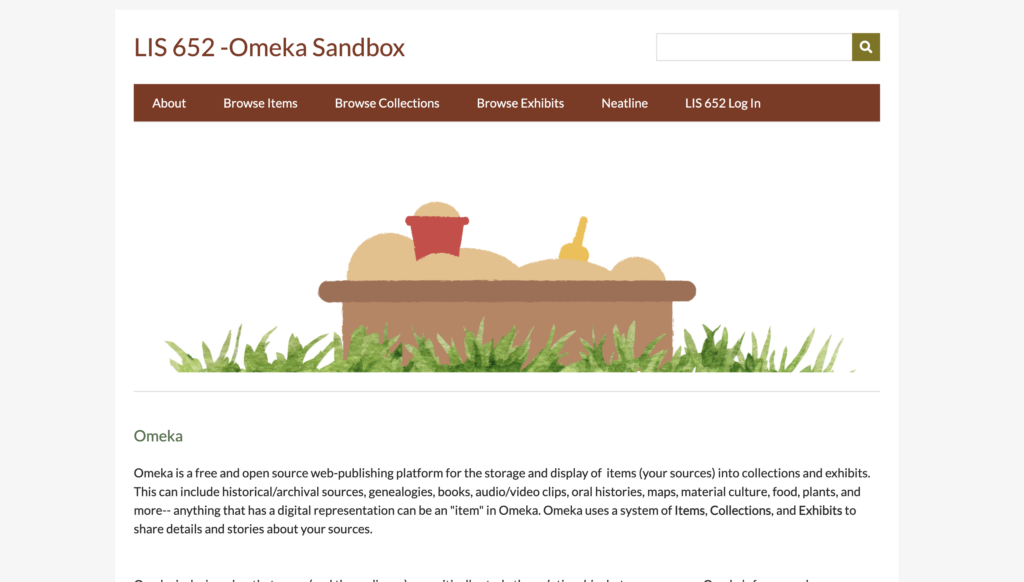
Brian Valimont, PhD student in U.S. History, explores methods for incorporating digital humanities tools to complement his academic research. In his blog, Valimont discusses digital humanities topics and its potential applications in his research. Currently, he is also using the Omeka-Classic platform to develop digital exhibits that highlight a variety of fascinating historical themes. Some of these exhibits are extensions of his dissertation research into Union draft riots during the American Civil War. Others are in-progress research projects; for example, projects include Unionism in the Civil War South, the sunken and recovered U.S.S. Cairo gunboat, as well as 19th Century workers and labor in Salem, Massachusetts. Valimont is intrigued by the digital humanities’ possibilities, primarily as a means to make scholarly information more accessible to a public audience.